Led Zeppelin is one of the most iconic and influential bands of the 1970s. They broke numerous records while touring the world and changed the rules for tour earnings among artists. They were the first band to perform longer sets than the traditional 20–40-minute performances and hardly ever had support acts on tour.
There was a time, however, when the Led Zeppelin name was threatened. When an angry aristocrat wanted to stop them from performing under that name. This week, The Beat Marches On to the 28th February 1970, when Led Zeppelin perform not as Led Zeppelin.
Led Zeppelin has had a series of controversies over their career. Whether it’s their legendary touring debauchery, the young age of certain groupies, or not giving credit to the artists when they borrow riffs and/or lyrics.
The band formed in late 1968, when guitarist Jimmy Page’s previous band, The Yardbirds, had split up. He had asked the band’s manager whether he could use The Yardbirds name for a new band. The manager agreed and quickly started looking for a new band.
The Yardbirds had a Scandinavian tour booked for the Autumn and Page wanted to fulfil these dates and not let the fans down, so he formed the New Yardbirds, with his fellow session musician John Paul Jones, singer Robert Plant, and Drummer John Bonham. It was supposed to be just for that tour, but the chemistry was so good that they decided to carry on, and they had to change their name due to Yardbirds bass player Chris Dreja sending a cease and desist letter.
The inspiration for the name Led Zeppelin came in 1966 from The Who’s Keith Moon. He and his bassist, John Entwhistle, were looking at leaving the band due to frictions between guitarist Pete Townsend and singer Roger Daltrey.
Jeff Beck, who was the guitarist of the Yardbirds at the time, decided to record some solo songs. He hired session musicians Jimmy Page, John Paul Jones, and pianist Nicky Hopkins, and also invited Keith Moon along too, who appeared in disguise so as not raise any alarms. Entwistle was invited but didn’t show. The group wrote and recorded an instrumental track, titled Beck’s Bolero. Depending on which source you use, when asked about whether the musicians should become a band, Moon replied that it would go down like a lead balloon or a lead Zeppelin.
Fast forward a couple of years, and Page remembered the joke name Moon had suggested and used it for the new band. They were signed by Atlantic Records on the recommendation of Dusty Springfield, with whom Jones had collaborated on her first album with the company. Manager Peter Grant managed to get Zeppelin full control of when and what to release, a rare thing for the time.
They had recorded the first album before signing the deal, and it was released in early 1969. By the end of the year, the band would have two albums released and would be fast becoming one of the world’s most popular bands.
The name Led Zeppelin was under threat when the band was touring Denmark. Countess Eva Von Zeppelin, granddaughter of the original architect of the Zeppelin blimp, attacked the band in the press and threatened legal action against the use of her name.
She already tried to stop the band from performing on a TV show in Copenhagen the year before, but failed. Going to the press once again, describing them as ‘Shrieking monkeys’.
Peter Grant organised a meeting at the TV studio they used previously, with the countess and the band, to smooth out the grievance. A former bodyguard and wrestler, Grant was not a man to be messed with and told the band to be on their best behaviour and make sure that Von Zeppelin would let the band keep their name.
According to tour manager Richard Cole’s book, Stairway to Heaven, the meeting went fine. Von Zeppelin was impressed with the young men, and although she wasn’t a fan of their style of music, she okayed the band to use the Zeppelin name. That was until she made her way out of the studio.
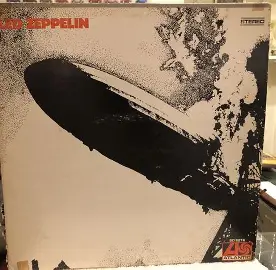
As Von Zeppelin left the meeting, there was a poster of Led Zeppelin’s self-titled debut album. One of the most iconic and most recognisable album covers in music history is a picture of the Hindenburg disaster in 1937. The biggest tragedy in the airship’s history which killed the zeppelin industry.
Obviously, being reminded of her grandfather’s downfall changed the countess’s mood quickly. She stormed out of the room and straight to her lawyer’s office to stop the band from ever playing in Denmark again.
The lawyers didn’t manage to stop Zeppelin from performing in Denmark, but they did manage to stop them from using the name Led Zeppelin while performing in that country. So, they had to think of a new temporary name. The band didn’t want to reuse the name The New Yardbirds again, as they were a much different band than when they last used that name. They decided tongue-in-cheek to change the name to The Nobs. Partly because of the slang term in the UK that not many Danes would know, and partly in tribute to their tour promoter, Claude Nobs.
They wouldn’t return to Denmark again until one of their last concerts in 1979; this time, they could perform under the name Led Zeppelin, without any aristocrats trying to interfere.
This incident in Denmark wasn’t the only controversy in Led Zeppelin’s relentless touring during the early days, but it was the only time they had to change their name in their 12-year career. It was a message to the fans that they would do pretty much anything to give them a show. It was that reputation that turned them into one of the biggest bands in the world.
The Beat Marches On is a music blog written by Jimmy Whitehead. Jimmy has been blogging for nine years, specialising in Sports (especially American Football). If you want to follow Jimmy on Twitter: @Jimmy_W1987
The Beat Marches On has a Facebook page: https://www.facebook.com/The-Beat-Goes-On-Blog-107727714415791 and an X page: @TheBeatGoesOnB1
Websites used for research were:
The Danish countess who made Led Zeppelin change their name
The book Stairway to Heaven: Led Zeppelin Uncensored by Richard Cole was also used for research.
If you want to request a story for The Beat Marches On blog, you can contact jwhiteheadjournalism@gmail.com. We cannot guarantee that the story will be published, but it will be considered.